

 +86 130 5809 3865
+86 130 5809 3865
+86 130 5809 3865LiveChatclose
Building a medical brand does not always require developing a completely new product from the ground up. With a reliable private label medical products partner, distributors, healthcare companies, retailers and emerging brands can select proven product platforms, apply their own brand identity, customize packaging and labeling, and bring market-ready healthcare products to customers more efficiently.
Eiffel Medical provides private label solutions for a range of medical and healthcare products, combining product sourcing, branding, packaging, quality control and order fulfillment support through one coordinated supply chain.
Our private label portfolio can include digital thermometers, blood pressure monitors, pulse oximeters, nebulizers, first aid products and other healthcare products, depending on the market, product specifications and applicable regulatory requirements.
The goal is simple: help you create a professional healthcare product line under your own brand without having to manage multiple suppliers for every stage of the process.
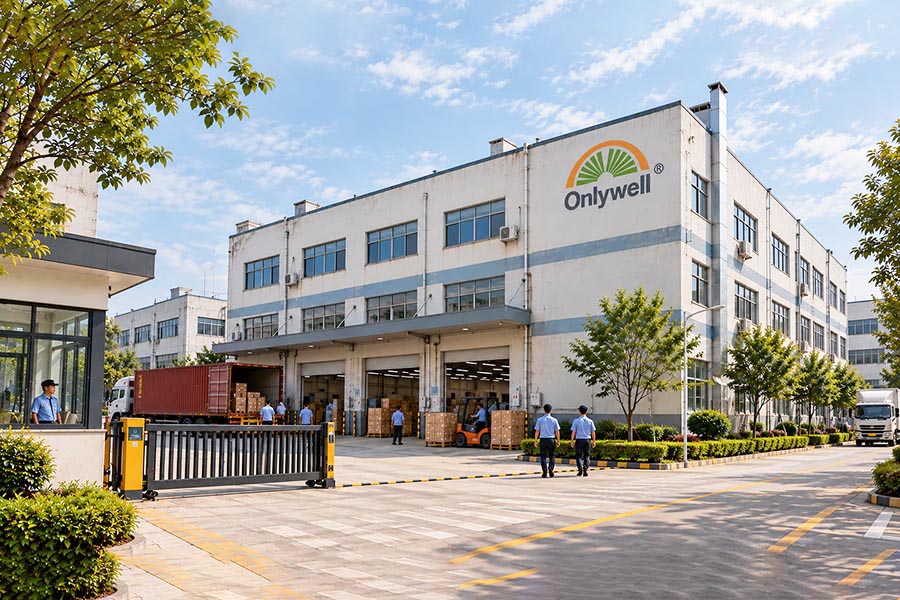
A private label medical product is a healthcare product manufactured or supplied by a qualified manufacturer and sold under another company's brand name.
Instead of investing heavily in independent product manufacturing infrastructure, a brand owner can select an existing product platform and customize key commercial elements such as:
Brand name and logo
Product labeling
Retail packaging
Instruction manuals
Color and visual identity
Accessories and packaging configurations
Carton and shipping marks
Product assortment
Market-specific documentation
This model is particularly useful for distributors, importers, pharmacy suppliers, healthcare retailers and established brands that want to expand their medical product portfolio.
Private labeling can also provide a practical path for companies entering new healthcare categories because it separates brand development from the entire burden of building a new manufacturing platform.
Eiffel Medical can support private label projects across selected medical and healthcare product categories.
A private label digital thermometer can be developed around an established product platform and customized with your brand identity, packaging and labeling requirements.
Depending on the model, customization may cover product appearance, display configuration, packaging, user instructions and retail presentation.
Digital thermometers are commonly used in home healthcare, pharmacies, clinics, retail healthcare channels and general wellness applications.
Private label blood pressure monitors are suitable for brands serving home healthcare, pharmacy, medical distribution and consumer healthcare markets.
Depending on the selected model, projects may involve different display configurations, cuff options, memory functions, packaging formats and user documentation.
For brands developing a broader home healthcare range, blood pressure monitors can be combined with thermometers and pulse oximeters to create a more complete monitoring portfolio.
Private label pulse oximeters provide another practical option for healthcare brands looking to establish a portable monitoring product line.
Product selection can be based on factors such as display type, measurement functions, device configuration, packaging requirements and intended market.
The product can then be presented under your own brand through customized labeling, packaging and supporting materials.
Private label nebulizers can support brands operating in respiratory-care and home healthcare categories.
Depending on the selected product platform, private label projects may include customized product packaging, accessories, manuals, labels and branding elements.
Because medical products can be subject to different requirements in different markets, product selection and documentation should be reviewed according to the destination market before commercialization.
Beyond individual products, Eiffel Medical can help customers build a coordinated private label portfolio covering complementary healthcare categories.
This allows a distributor or healthcare brand to develop a consistent product family rather than launching isolated products from unrelated suppliers.
Private labeling is not the same as developing a completely new medical device.
For many brands, the priority is not to invent a new technology. It is to build a reliable product range that can be branded, packaged and introduced into the target market efficiently.
Private label sourcing can offer several practical advantages:
1. Faster product commercialization
An established product platform can reduce the time associated with starting a product program from zero.
2. Lower development complexity
Brands can work from existing product configurations rather than managing every aspect of product engineering independently.
3. Stronger brand consistency
Packaging, labeling and product presentation can be designed around the same brand identity.
4. Simplified supplier management
Multiple product categories can potentially be coordinated through one experienced medical supply partner.
5. Scalable product expansion
A brand can start with several core products and gradually add complementary categories as market demand develops.
Private labeling therefore works particularly well when the commercial objective is brand ownership and product portfolio expansion, rather than fundamental product invention.
A professional private label project should be more than placing a logo on an existing product. Product selection, specifications, labeling, packaging, quality control and market requirements all need to be considered together.
We first review your target market, customer profile, product category, expected positioning and branding requirements.
This helps determine which existing product platforms are more suitable for your business.
Based on your requirements, we identify appropriate medical or healthcare products for private labeling.
For example, a home healthcare brand may begin with a digital thermometer, blood pressure monitor and pulse oximeter rather than launching an unrelated group of products.
Before customization, important specifications are reviewed, including product configuration, materials, functions, accessories, packaging format and other technical requirements.
This stage helps ensure that the selected product matches your intended market and positioning.
Your brand identity can then be incorporated into applicable product and packaging elements.
Typical customization may include:
Logo application
Product labels
Retail boxes
User manuals
Color schemes
Product stickers
Inner packaging
Master cartons
Shipping marks
The exact customization scope depends on the product and production requirements.
Samples or packaging proofs can be reviewed before mass production.
This provides an important checkpoint for confirming branding, product configuration and packaging details before the order moves into production.
Once specifications and samples are approved, production proceeds according to the agreed requirements.
Quality control should cover relevant production stages rather than relying only on final inspection. Product specifications, labeling, packaging and order consistency all need to be monitored.
Finished products are packed according to the agreed configuration and prepared for shipment.
Eiffel Medical can coordinate product packaging, carton requirements and export delivery arrangements to support international distribution.
Private label, OEM and ODM are related but should not be treated as identical services.
Private Label is primarily focused on selling an existing or established product platform under your own brand, with customization concentrated on branding, labeling, packaging and selected product options.
OEM is generally more focused on manufacturing products according to customer-defined specifications.
ODM involves a greater degree of product development, where the manufacturer contributes product design, engineering or technical development capabilities.
For companies whose main objective is to launch or expand a branded medical product portfolio, private labeling can often be the most straightforward model.
If your project requires substantial product redesign or development of a new product concept, a dedicated OEM or product development process may be more appropriate.
One of the biggest advantages of private labeling is the ability to build a product family around one brand.
For example, a home healthcare brand could develop a portfolio consisting of:
1. Temperature Monitoring
Digital thermometers for routine temperature measurement.
2. Blood Pressure Monitoring
Blood pressure monitors for home and personal healthcare applications.
3. Oxygen Monitoring
Pulse oximeters for portable monitoring applications.
4. Respiratory Care
Nebulizers for selected respiratory healthcare applications.
Instead of treating each product as a separate business project, the products can be developed as part of a unified brand architecture.
Consistent packaging, visual identity, product naming and documentation can make the portfolio easier for distributors and end users to recognize.
A successful private label medical product should look and feel like part of a real brand.
For this reason, branding can extend across multiple touchpoints:
Product appearance
Logo placement
Label design
Retail packaging
Instruction manuals
Product inserts
Carton markings
Product photography
Digital product information
Distributor materials
For healthcare brands, consistency is particularly important because customers often associate professional presentation with supplier reliability.
However, branding should never replace technical accuracy. Product claims, labeling information, instructions and market-specific requirements should be reviewed carefully before commercial release.
Medical and healthcare products require greater attention to quality and compliance than ordinary consumer goods.
Private label customers should consider the regulatory status of the selected product, destination-market requirements, labeling rules, technical documentation and applicable conformity requirements before placing a commercial order.
Eiffel Medical supports customers by coordinating product information, specifications, labeling requirements and relevant documentation within the private label process.
Our broader manufacturing and supply capabilities include experience across medical and healthcare product categories, supported by established quality management practices and international market experience.
For specific products and markets, compliance requirements should always be confirmed based on the actual product classification and destination-country regulations.
This approach is important because a product that can be commercially supplied in one market may require additional registration, documentation or conformity assessment in another.
A private label partner should provide more than manufacturing capacity. The real value comes from the ability to coordinate products, branding, quality and international supply requirements as one process.
Eiffel Medical is positioned to support international healthcare businesses with:
1. Medical Product Experience
Experience across multiple healthcare product categories helps customers evaluate product options from a practical sourcing perspective.
2. Integrated Supply Coordination
Product sourcing, customization, packaging, quality control and delivery can be coordinated through one supplier relationship.
3. International Market Orientation
Our products and supply services are designed for international B2B customers, including distributors, importers, healthcare companies and private brands.
4. Quality Management
Eiffel Medical operates with established quality-control procedures and relevant medical manufacturing and supply-chain practices.
5. Flexible Brand Support
Private label projects can be structured around different product categories, packaging requirements and commercial positioning.
6. Long-Term Product Expansion
Customers can start with a focused product range and expand into complementary healthcare categories as their brand develops.
For stronger EEAT signals, this page should also connect to Eiffel Medical's About Us, factory/manufacturing, quality certifications, product category and contact pages, allowing visitors to independently verify who is behind the private label service and how the products are produced.
Private label medical products are particularly suitable for:
Medical product distributors
Healthcare wholesalers
Pharmacy suppliers
Medical equipment importers
E-commerce healthcare brands
Retail healthcare companies
Hospital supply distributors
Regional medical product brands
Established healthcare companies expanding their portfolio
It can be especially attractive for businesses that already have sales channels but want greater control over their brand identity and product portfolio.
Rather than competing only on generic products, a private label strategy allows a company to build recognizable product lines under its own commercial identity.
Private label medical products are healthcare products supplied by a manufacturer and sold under the customer's own brand. The project may include product selection, branding, labeling, packaging and related supply services.
In many private label projects, branding elements such as logos and product labels can be customized. The exact options depend on the product, production process and applicable regulatory requirements.
Depending on availability and market requirements, private label programs can include digital thermometers, blood pressure monitors, pulse oximeters, nebulizers and other healthcare products.
Yes. Private label projects commonly include customized retail boxes, labels, manuals, inserts, cartons and shipping marks.
No. Private label generally starts from an existing product platform and focuses on branding and commercialization. ODM typically involves a greater level of product design or development.
Yes. Building a coordinated product portfolio is one of the major advantages of private labeling. For example, thermometers, blood pressure monitors and pulse oximeters can potentially be developed as one home healthcare range.
Private label projects can be prepared for international B2B distribution, with product specifications, packaging and documentation reviewed according to the target market.
Useful information includes the product category, target market, expected quantity, branding requirements, packaging preferences, product specifications and any required certifications or documentation.
Whether you are launching a new healthcare brand or expanding an existing medical product portfolio, Eiffel Medical can help you move from product selection to branded packaging and international delivery through a coordinated private label supply process.
Tell us which products you are considering, your target market, expected order quantity and branding requirements. Our team can review the project and recommend suitable product options for your brand.
Build your medical brand with products designed for your market, your packaging and your customers.
Contact Eiffel Medical Team For Further Discussion
Contact: Claude Chan
Phone: +86 130 5809 3865
E-mail: sales@eiffelmedical.com
Add: No. 1-3/F, No.8 Building, Shenzhen, China
 Send Email
 WhatsApp